Knots for connecting leader to braided line Fishing knots, Fishermans knot, Fly fishing knots

One says monofilament offers more abrasion resistance; another says braided line does. As usual — easy ain't easy in the braid vs. mono equation. And questions like "why use braided fishing line" or asking "when to use braided fishing line" all of a sudden becomes a lot harder to answer.
Changing A Monofilament Fishing Line To Braided (Mono Vs Braid) Which is Better? All About

Braided lines are able to have a very thin diameter, while still allowing a good weight limit, which brings us to the next advantage. The difference in a 10-lb line of braid is significantly thinner than a 10-lb line of monofilament line. This means longer casting distance, as well as more strength for the line.
Monofilament vs. Braided Fishing Line Which is Best for You YouTube
Braided lines have a greater risk of injuring the fish with a bigger hook wound than a monofilament line. The tension in the braided line allows you to feel the pull of the fish, allowing you to make more responsible decisions when it comes to reeling in your catch. However, this same quality makes it challenging for the novice or young anglers.
Choosing Fishing Line Monofilament vs Braid vs Fluorocarbon Bass Fishing Crankbaits YouTube
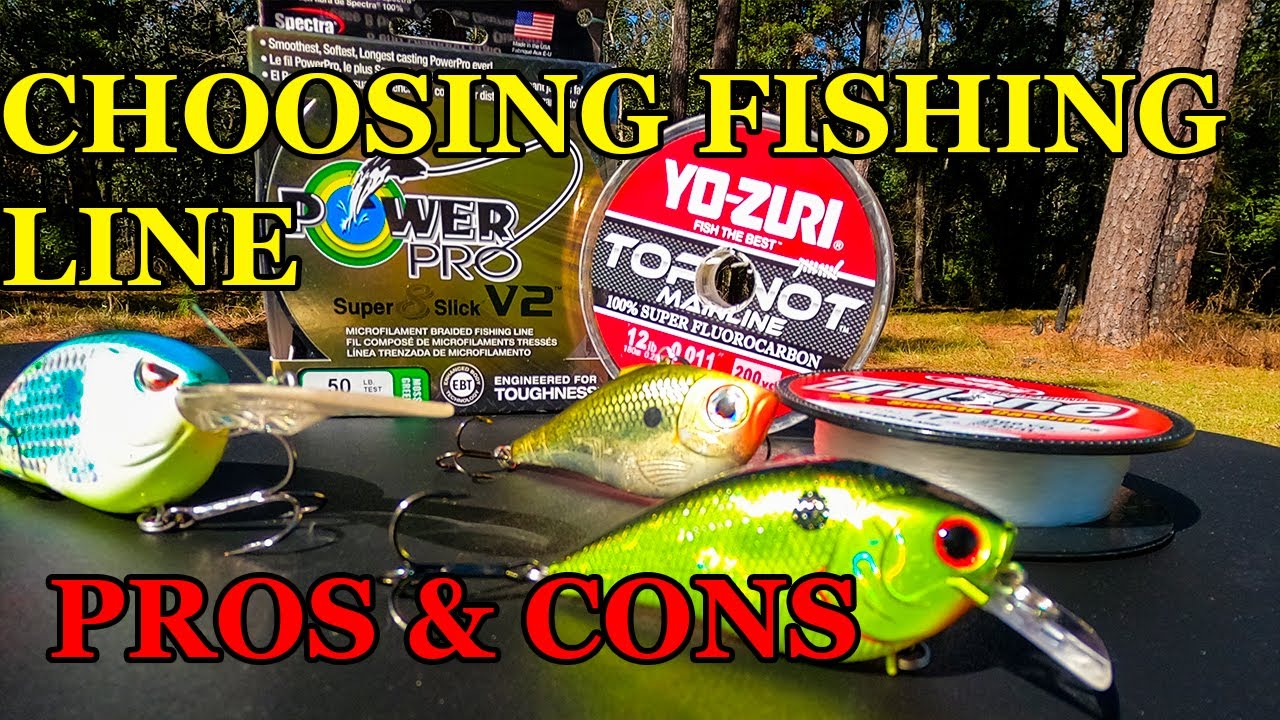
1. Monofilament. It is a fishing line made from a single strand of synthetic fiber. Affordable. We can't talk about mono without mentioning the fact that it's the most affordable fishing line on the market. So, if you find a monofilament line that meets your needs, there is no need to look somewhere else when you can save so much by getting.
Monofilament vs Braided Fishing Line Which is Best for You? YouTube

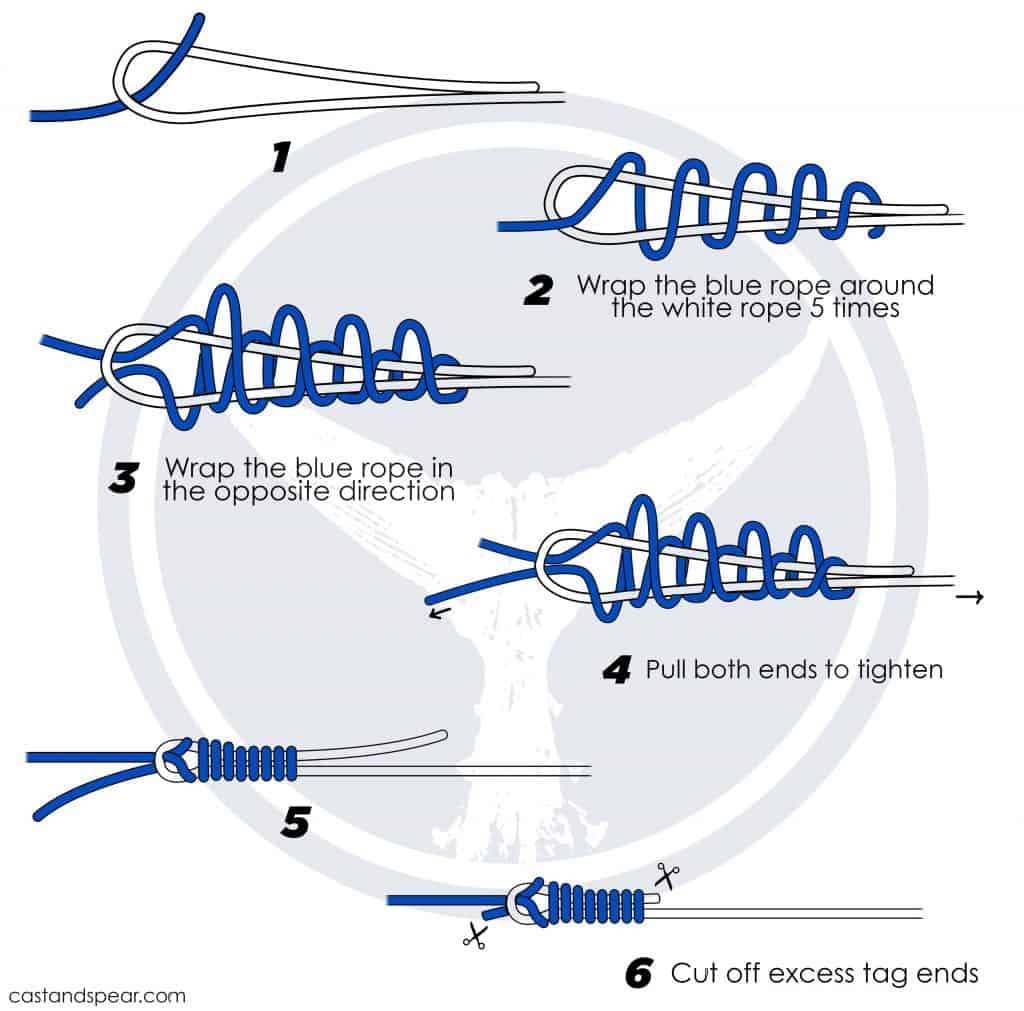
Choosing the right leader knot for fluorocarbon or mono to braid fishing line. Tying the mono or fluorocarbon-to-braid leader knot is the toughest part of getting rigged up. We've been tying a knot called the FG Knot for over 15 years. It's the strongest knot out there but can be tricky to tie.
How to Tie Braided Fishing Line to Monofilament
Visibility. Braided lines have low visibility in the water due to their thin diameter and lack of light refraction. This makes them ideal for clear water conditions and targeting wary fish. Monofilament lines, however, have higher visibility and may be more visible to fish, especially in clear water or highly pressured fishing areas.
Braid vs Monofilament Fishing Lines and When To Use Each Wired2Fish
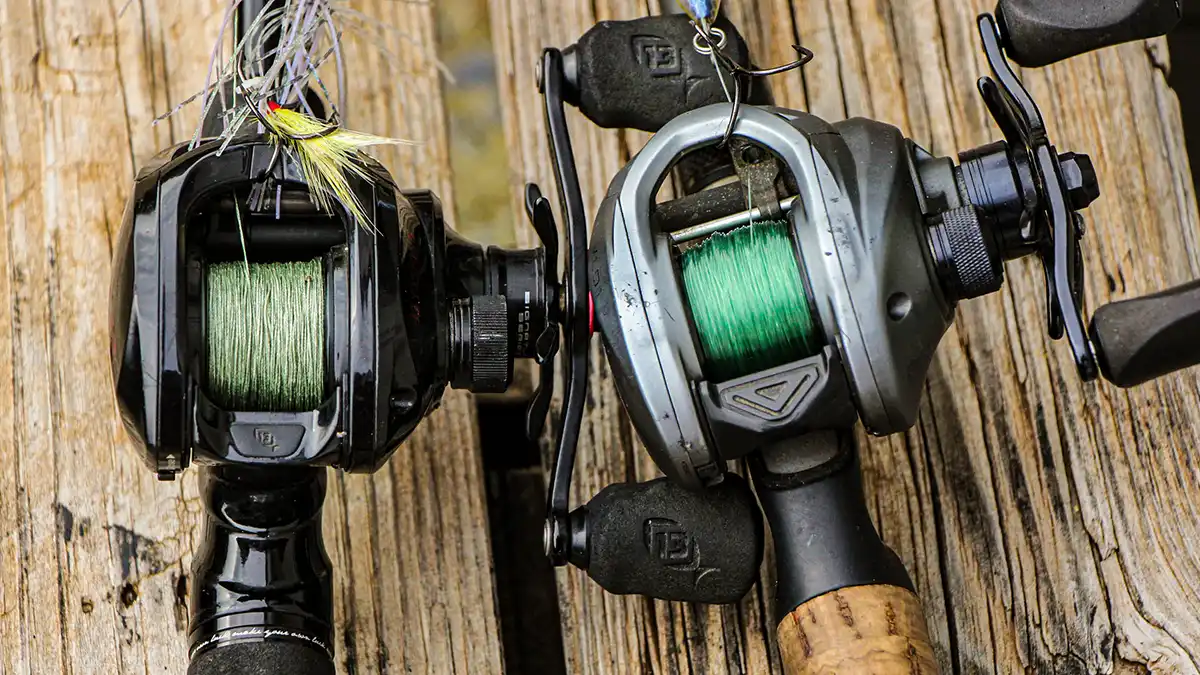
Monofilament fishing line, often referred to as "mono", is typically made of a single strand of nylon. Braided line, or "braid", is predominately made from tightly woven strands of synthetic fiber. You'll notice there is one common quality listed as both a pro and a con for both of these line types— the fact both lines float.
Monofilament Fishing Line for Saltwater Fishing
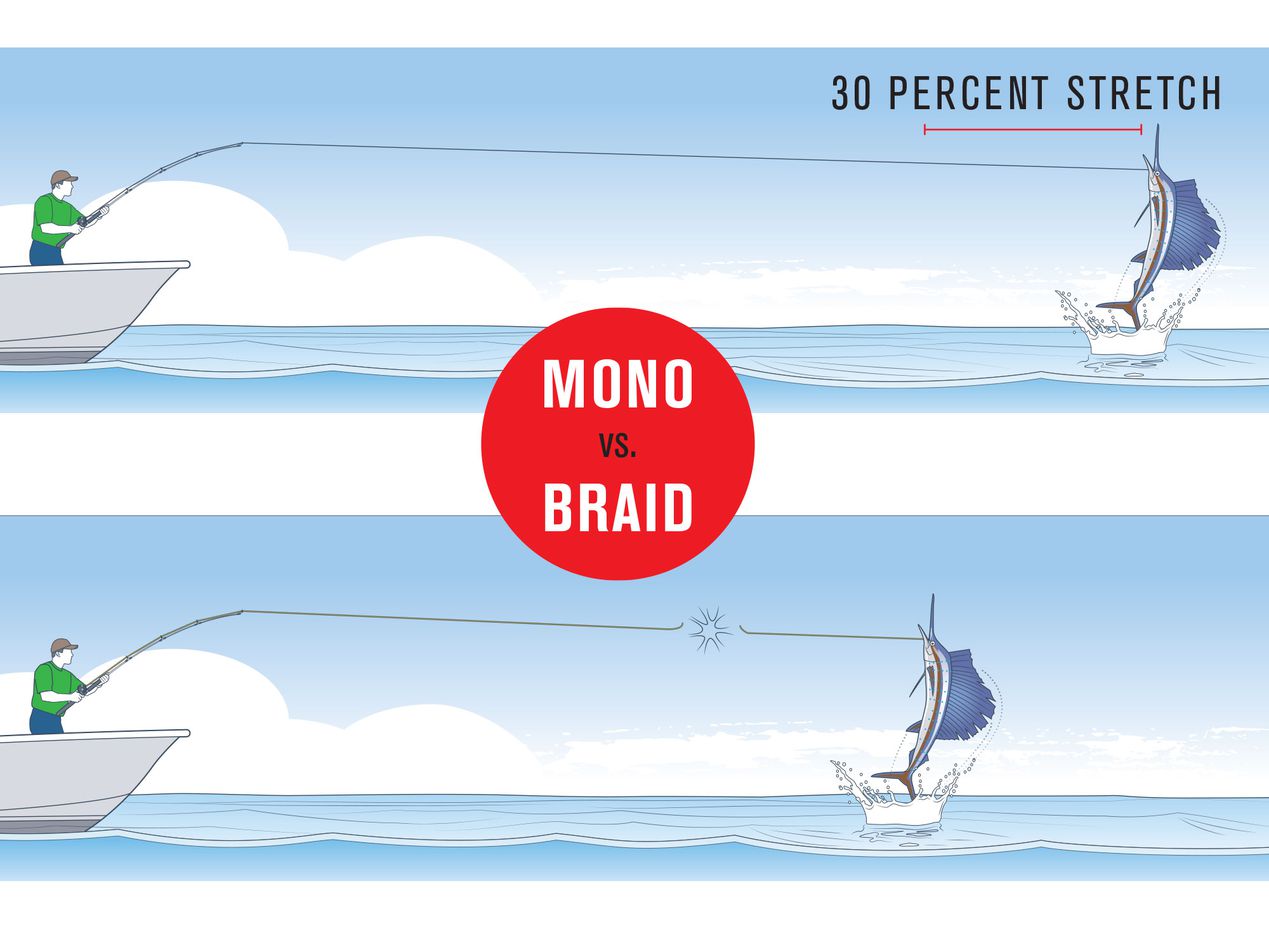
When comparing braided fishing line vs mono, it is important to consider the unique properties of each type of line. Braided fishing line is constructed from multiple strands of thin, tightly woven fibers, resulting in a line that is thin, limp, and incredibly strong for its diameter. On the other hand, monofilament line, or mono, is made from a single strand of extruded material, giving it a.
Braid vs Mono pros and cons for fishing off the rocks YouTube

What's Good About Braided Fishing Line? It Has A Thin Diameter. Braided fishing line has a much thinner diameter than monofilament line when paired against one another in the same breaking strain. This means that 30 lb braid will have much thinner diameter than 30 lb mono which will have a thicker line diameter.
Choosing Fishing Line Monofilament vs Braid vs Fluorocarbon YouTube
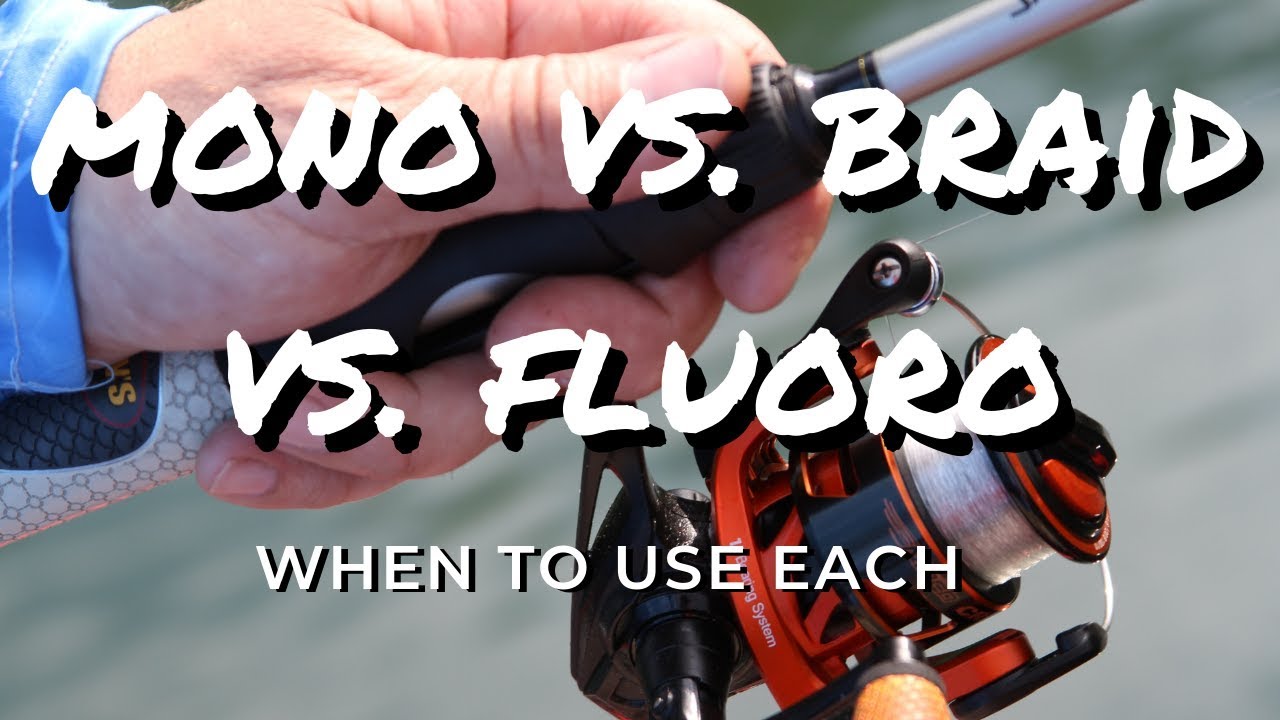
Monofilament Line: The Advantages -. Most popular type of line - still used by the majority of anglers worldwide. Most cost-Effective - yard for yard costs less than braid. Easier to cut and tie - better for beginners. Better knot strength and stretch quality reduces breaks on sudden, hard hits. Better for cautious fish in clear waters.
Choosing Fishing Line Monofilament vs Braid vs Fluorocarbon Fishing line, Bass fishing, Tying

Line Stretch. monofilament line is far more prone to stretching than braided line. There are pluses and minuses to each line type's stretch qualities.Braided line gives unparalleled feel when fishing - while retrieving a lure you'll feel the slightest snag or bite. And setting a hook with braided line, especially at long distances, is far.
Choosing the Best Fishing Line Mono vs. Fluoro vs. Braid
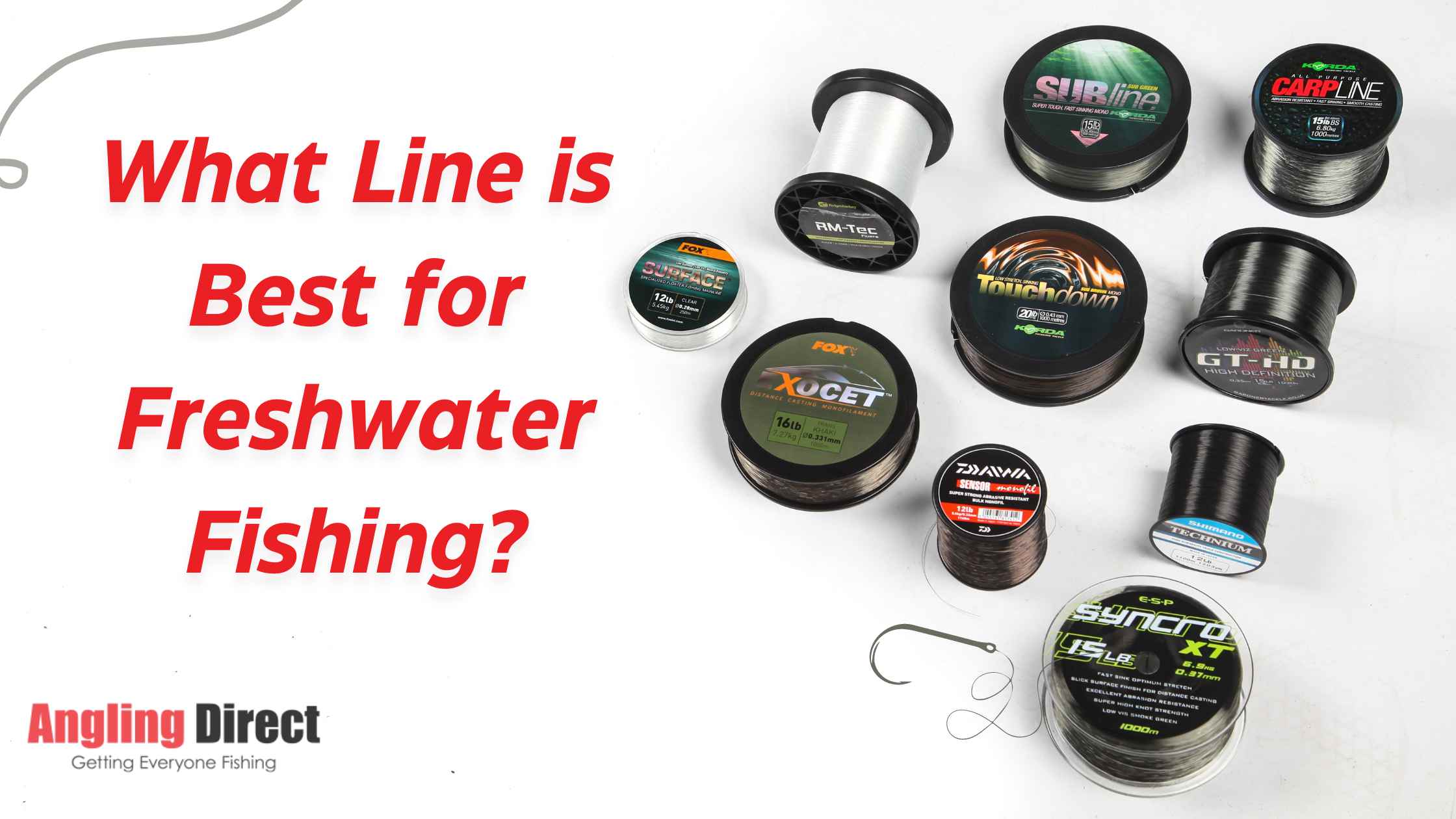
Braided line is generally more durable and has better casting distance. Mono fishing line is more affordable and user-friendly. If you're a beginner, you'll likely want to stick with a mono fishing line. With more experience, you may want to consider using a braided fishing line. You may also choose to use a bit of both, depending on the type.
Which Fishing Line Should I Use Fluorocarbon vs Monofilament vs Braid? YouTube

Braided Line. Pros: Better bite detection, firmer hook penetration, increased strength, no memory. Cons: Less abrasion-resistant than other lines, requires a monofilament or fluorocarbon leader.
Braided Line Vs Mono
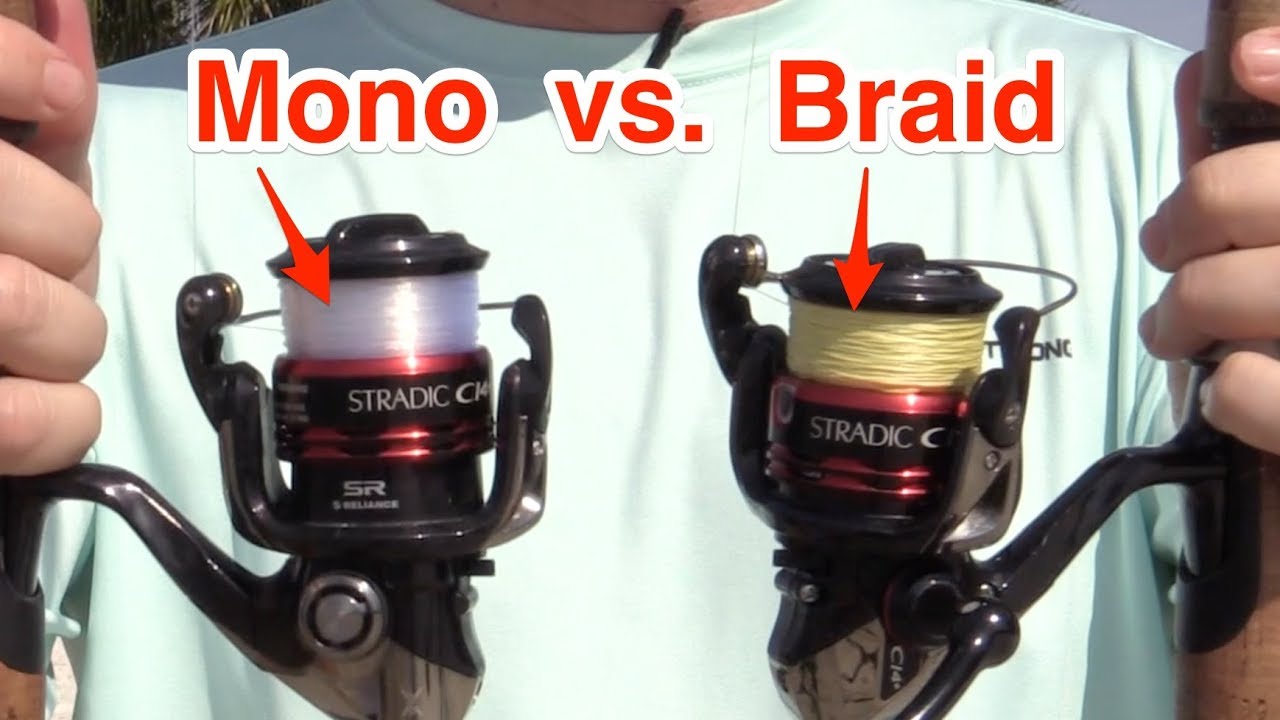
Choose your line based on experience level and fishing style. Mono lines are affordable and beginner-friendly, offering stretch and abrasion resistance. Braid lines are strong and sensitive, providing longer casting distance and durability. Monofilament fishing lines are budget-friendly but prone to tangling. Braided lines are durable but pricier.
Monofilament vs Braided Which Line Is for You? Wide Open Spaces
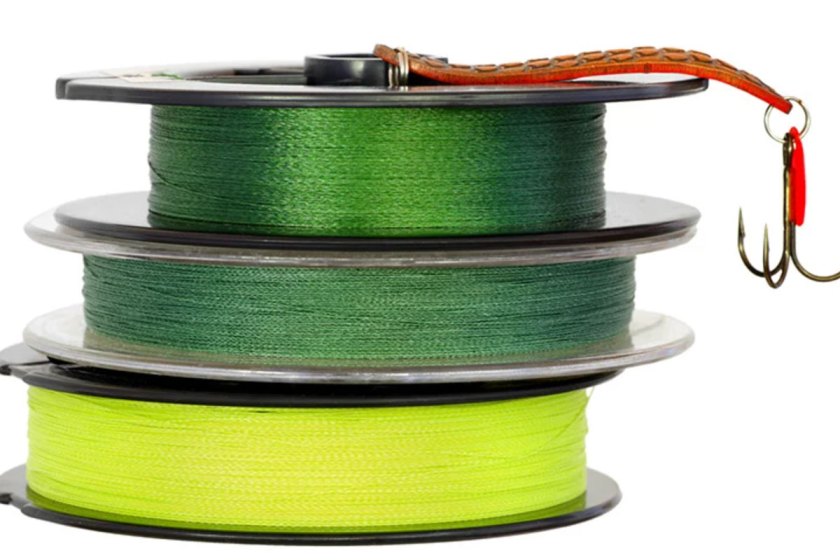
Braided Line. Whereas monofilament consists of a single strand of nylon, braided fishing lines are constructed of multiple strands of synthetic fibers woven together. The advantage is a thinner line that's abrasion-resistant, and has little stretch and high sensitivity.
Braided Fishing Line Myths Braid vs Monofilament YouTube
Braided vs. Monofilament Fishing Line. Blog. Fishing lines are grouped into two primary categories when it comes to material; braided and monofilament, or mono as it is commonly known. They come in all kinds of colors and can even be multi-colored. Some anglers will take permanent markers to color the line. This serves two purposes.